

Have you ever considered how much goodness can be packed into a single jar? Fermented beetroot kvass — a traditional lacto-fermented drink with roots in Eastern and Central European cuisine — has been valued for generations for its earthy depth of flavour and its impressive nutritional profile. Naturally rich in probiotics, vitamins, minerals, and nitrates, it is one of the simplest and most rewarding fermented preparations you can make at home. Here is everything you need to know, including the best step-by-step recipe.
A Brief History of Beetroot Kvass
Fermented beetroot drink has been a feature of Polish, Ukrainian, and broader Eastern European culinary tradition for centuries. Long before refrigeration, fermenting vegetables was the primary method of preserving food through winter — and beets, with their high sugar content, were ideal candidates. The word kwas (kvass) refers broadly to fermented sour beverages made from grain or vegetables, and beetroot kvass was prized not only as a flavourful base for soups like barszcz (borscht) but as a daily health tonic in its own right.
What began as a practical preservation technique has endured precisely because it works: fermentation enhances the bioavailability of nutrients, introduces beneficial lactic acid bacteria, and produces a complex, pleasantly sour drink that modern nutritional science is only now catching up to explaining.
Health Benefits of Fermented Beetroot Drink
Beetroot kvass is more than a flavourful tradition — it is a genuinely nutrient-dense functional food. Here is what makes it worth including in your diet:
- Probiotics and gut health — the lacto-fermentation process produces live lactic acid bacteria, including Lactobacillus strains, which contribute to a healthy gut microbiome. Regular consumption of naturally fermented foods is associated with improved digestive comfort and a more diverse intestinal flora. This makes beetroot kvass a natural complement to a broader approach to digestive health.
- Natural nitrates for circulation and performance — beetroots are one of the richest dietary sources of inorganic nitrates, which the body converts to nitric oxide. Nitric oxide helps relax and widen blood vessels, supporting healthy circulation and oxygen delivery to working muscles. This has made beetroot a focus of sports nutrition research, with several studies reporting improvements in endurance performance and exercise efficiency.
- Vitamins and minerals — beets are a natural source of vitamin C, folate (B9), and other B vitamins, alongside minerals including potassium, iron, magnesium, and manganese. Fermentation can enhance the bioavailability of some of these nutrients while also producing small amounts of additional B vitamins.
- Antioxidants and betalains — the vivid red-purple colour of beetroot is due to pigments called betalains, which have demonstrated antioxidant and anti-inflammatory activity in research settings. These compounds may help protect cells from oxidative stress.
- Liver and detoxification support — beets are traditionally associated with liver health, containing betaine, which supports liver cell function and fat metabolism. Fermentation may enhance this effect by making nutrients more readily absorbed.
- Immune system support — the combination of vitamin C, antioxidants, and beneficial bacteria makes beetroot kvass a natural ally during cold and flu season. Explore our immune system supplements for further seasonal support options.
Nutritional Profile of Beetroot Kvass
As a fermented product, beetroot kvass combines the inherent nutritional richness of beets with the additional benefits introduced by fermentation. A typical serving contains meaningful amounts of potassium (supporting electrolyte balance and muscle function), folate (contributing to normal blood formation and immune function), iron (supporting normal oxygen transport), and magnesium (involved in over 300 enzymatic reactions in the body). The probiotic bacteria produced during fermentation are not destroyed by stomach acid as efficiently as some heat-killed cultures, making naturally fermented kvass a practical source of live organisms.
How to Make Beetroot Kvass at Home: Step-by-Step Recipe
Making beetroot kvass requires no specialist equipment and only a handful of ingredients. The entire process takes around 4–7 days, with very little active preparation time.
Ingredients (for approximately 2 litres)
- 3–4 medium-sized beetroots (organic if possible, unwashed before use)
- 2 litres of filtered or previously boiled and cooled water
- 1 tablespoon of non-iodised salt (sea salt or Himalayan salt)
- 2–3 cloves of garlic — optional, adds depth and antimicrobial support during fermentation
- A few whole black peppercorns — optional
- 1 teaspoon of sugar (cane sugar works well) — optional, to accelerate fermentation
- Additional aromatics if desired: bay leaf, allspice berries, fresh horseradish
Equipment
- 1 clean glass jar or container with a lid, approximately 3-litre capacity (sterilise by boiling or rinsing with boiling water)
- A fine-mesh strainer for filtering the finished kvass
- Clean glass bottles or jars for storage
Method
- Prepare the beets. Scrub the beetroots thoroughly under running water — do not peel them, as the skin contains wild yeast and bacteria that drive fermentation. If using organic beets, simply scrub clean. Cut into rough cubes or thick slices (approximately 2 cm).
- Prepare the jar. Ensure your jar is thoroughly clean and has been rinsed with boiling water. This is important — any soap residue or competing bacteria can interfere with fermentation.
- Assemble the ingredients. Place the chopped beets in the jar. Add garlic (crushed or roughly chopped), salt, peppercorns, and any optional aromatics. If using sugar, add it at this stage. Pour in the cooled water, leaving 3–4 cm of space at the top, as the liquid will expand slightly during fermentation.
- Begin fermentation. Close the jar and leave it at room temperature (18–22°C), away from direct sunlight. Each day, open the lid briefly to release built-up gas — you may notice bubbling and a pleasantly sour aroma developing. This is a sign that fermentation is proceeding normally.
- Monitor readiness. After 4–7 days, the kvass should have a deep ruby colour, a distinctly sour smell, and a complex tangy-earthy taste. The beets may float slightly, and the liquid will be visibly active. Taste it daily from day 4 — when the flavour is to your liking, it is ready.
- Strain and store. Pour the kvass through a fine strainer into sterilised bottles or jars. Discard the spent beet pieces (or use them in salads or soups). Store in the refrigerator, where the kvass will keep for 2–3 weeks. Cold temperature slows further fermentation and prevents the growth of unwanted organisms.
What Does Beetroot Kvass Taste Like?
Beetroot kvass has a flavour profile that surprises many first-time drinkers. It is a multi-layered combination of the natural sweetness and earthiness of beets, a pronounced sourness from lactic acid fermentation, and a subtle savoury depth from the salt and any aromatics used. Some batches have a slight effervescence, similar to a mild sparkling drink. The flavour intensity varies depending on fermentation time: a shorter fermentation yields something milder and sweeter, while a longer one produces a more deeply sour and complex drink.
It works beautifully as a standalone morning tonic, diluted slightly with water, or as the base for traditional Polish red borscht (barszcz czerwony).
Ready-Made and Supplemental Beetroot Options
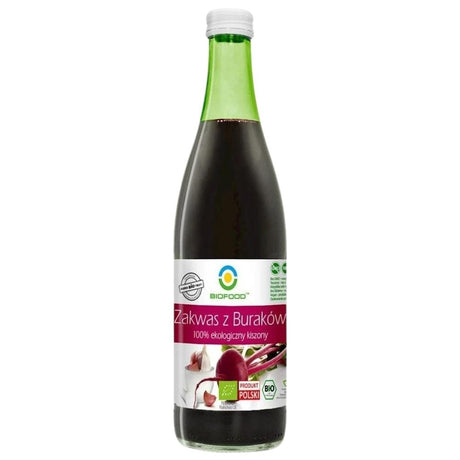
If home fermentation is not your preference, or if you want to complement your homemade kvass with concentrated beetroot nutrition, there are several convenient options worth considering. Explore our healthy drinks and juices range for ready-to-drink formats and our broader probiotics collection for gut health support.

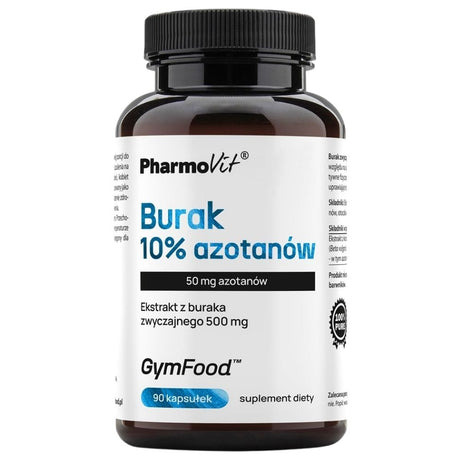 13% off
Pharmovit
PharmoVit Beetroot 10% Nitrates - 90 Capsules
Sale price $13.00 Regular price $15.00Unit price$0.14 each


Beet It Sport
Beet It Sport Nitrate 400 Beetroot Shot - 70 ml
Regular price $6.00Unit price$8.57 /100ml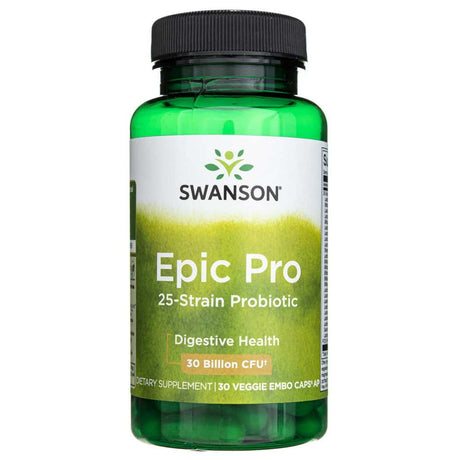
Swanson
Swanson Epic Pro 25-Strain Probiotic - 30 Veg Capsules
Regular price $20.00Unit price$0.67 each


Potential Contraindications
Despite its many benefits, fermented beetroot kvass may not be suitable for everyone. Those with a history of kidney stones should exercise caution, as beets are high in oxalates, which can contribute to calcium oxalate stone formation in susceptible individuals. People with existing digestive conditions such as irritable bowel syndrome, gastritis, or acid reflux may find fermented beverages difficult to tolerate, particularly in larger quantities. The high potassium content of beets also means that individuals with electrolyte imbalances or kidney disease should seek medical advice before consuming kvass regularly.
As with any new dietary addition, start with a small amount and observe how your body responds. If you have any underlying health conditions or take prescription medications, consult a healthcare professional before incorporating fermented beetroot drink into your daily routine.
This article is for information only and does not replace medical advice. If you have health concerns, are pregnant, breastfeeding or taking medication, consult a doctor or pharmacist. Dietary supplements are not a substitute for a varied diet.


