

Ginger (Zingiber officinale) is a plant that is quite commonly used not only in cooking, but also in medicine. For centuries, its medicinal properties have been appreciated across Asia, where it serves simultaneously as a spice, a cold remedy, and a treatment for digestive complaints and menstrual pain. It is one of the oldest cultivated plants in the world — used in Chinese and Ayurvedic medicine for over 3,000 years — and modern research has provided a growing body of evidence for many of its traditional applications.
The Active Compounds in Ginger
Ginger owes its characteristic intense aroma and warmth to a complex of bioactive compounds found primarily in the rhizome. Gingerols — the main phenolic compounds in fresh ginger — are responsible for the pungent, burning aftertaste and are the primary contributors to its anti-inflammatory and antioxidant effects. When ginger is dried or heat-processed, gingerols convert to shogaols, which are even more potent antioxidants and anti-inflammatory agents. Zingiberene and zingiberol are the primary components of ginger's essential oil, contributing its distinctive aroma. Zingerone, formed during cooking, contributes sweetness and has its own anti-inflammatory properties.
This combination of compounds gives ginger a remarkably broad range of biological activity — which is why it has maintained its place in both culinary and medicinal traditions across so many cultures and centuries.
Digestive Health: Ginger's Most Established Role
Ginger's effects on the digestive system are among its best-supported applications. The essential oils in the rhizome stimulate the secretion of saliva and gastric juice, improving appetite and facilitating digestion. Ginger has a well-established carminative effect — reducing flatulence and bloating — and stimulates bile production and flow, which supports fat digestion and healthy liver function.
Its most clinically studied digestive application is the relief of nausea. Multiple randomised controlled trials have confirmed that ginger effectively reduces nausea and vomiting in a range of contexts: morning sickness during pregnancy, postoperative nausea, motion sickness, and nausea associated with chemotherapy. It is one of the few natural compounds with consistent positive evidence in this area, and its safety profile makes it particularly suitable during pregnancy (where many antiemetic medications are avoided). Our digestive system supplements include ginger-based options alongside broader gut health support.
Anti-inflammatory and Joint Health Support
Gingerols and shogaols inhibit several inflammatory pathways — including prostaglandin and leukotriene synthesis — through mechanisms that overlap with those of non-steroidal anti-inflammatory drugs (NSAIDs), but without the gastric side effects associated with long-term NSAID use. This anti-inflammatory activity supports ginger's traditional use for joint pain and stiffness. Clinical studies in osteoarthritis have shown that ginger extract can produce meaningful reductions in pain and improvements in function, particularly with sustained use. Ginger is also commonly included as an active ingredient in topical warming preparations for muscle and joint discomfort. Our bone, joint and cartilage collection includes combination products featuring ginger alongside other anti-inflammatory botanicals.
Cardiovascular and Circulatory Effects
Ginger has demonstrated mild antiplatelet activity — it reduces the tendency of platelets to aggregate and form clots — which may contribute to a lower risk of thrombotic cardiovascular events with regular consumption. It also has a modest cholesterol-lowering effect, specifically reducing LDL oxidation, which is relevant to atherosclerosis prevention. Its vasodilatory and circulation-improving properties make it a traditional warming herb, supporting peripheral blood flow — one reason it features in cold-weather wellness preparations and in remedies for cold hands and feet.
Immune and Respiratory Support
Ginger has antimicrobial, antiviral, and anti-inflammatory properties that make it a well-regarded support for the immune system during cold and flu season. It has a diaphoretic effect (promotes sweating), which supports the body's natural fever response, and its anti-inflammatory compounds help reduce the inflammation associated with upper respiratory tract infections. Gargling with ginger tea or ginger-infused water is a traditional remedy for sore throats that has practical antimicrobial rationale behind it. Ginger also has an expectorant effect, helping to thin and clear mucus from the airways. Explore our immune system collection for seasonal wellness support.
Menstrual Pain Relief
One of ginger's most appreciated traditional uses — backed by modern clinical evidence — is relief from dysmenorrhoea (menstrual cramps). Prostaglandins are central to the uterine contractions that cause menstrual pain, and ginger's inhibition of prostaglandin synthesis provides a mechanism for its effectiveness. Several clinical trials have directly compared ginger with ibuprofen for menstrual pain and found comparable pain reduction, positioning it as a viable natural alternative for those seeking to manage mild to moderate dysmenorrhoea without pharmaceutical intervention.
Ginger as a Spice: Culinary Use
In the kitchen, ginger is versatile but the fresh and powdered forms are not directly interchangeable. Fresh ginger root has a brighter, more aromatic heat and is best suited to savoury dishes — seafood, poultry, duck, pork, stir-fries, and Asian-style broths. Grated or minced, it integrates well into sauces and marinades. Powdered ginger has a deeper, more concentrated flavour that works better in baked goods, desserts, spiced drinks, and dry spice blends.
Fresh ginger should always be washed and peeled before use. It pairs naturally with spices from the same flavour family — allspice, black pepper, cloves, cardamom, nutmeg, and bay leaf — and blends well with citrus. It is best purchased in small quantities as needed, since its volatile compounds diminish with extended storage.
Ginger in Essential Oils and Cosmetics
Ginger essential oil is extracted from the rhizome by steam distillation and has a warming, stimulating, and spicy aroma that distinguishes it from floral or herbal oils. In aromatherapy and massage, it is used for its circulation-stimulating and warming properties — making it popular for muscle aches and cold, stiff joints. It is also used in slimming and body contouring preparations for its ability to improve local circulation. In perfumery, ginger's exotic, slightly sweet-spicy note features in both men's and women's fragrances, typically as a top or heart note alongside other warm spices.
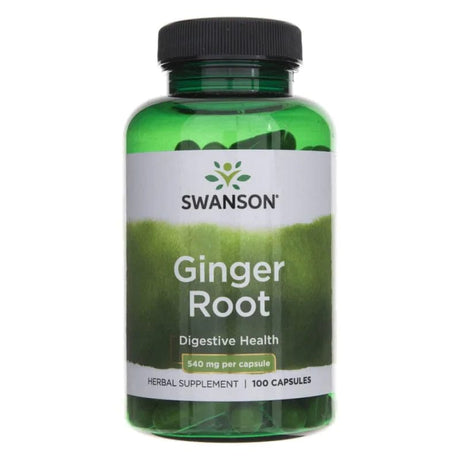


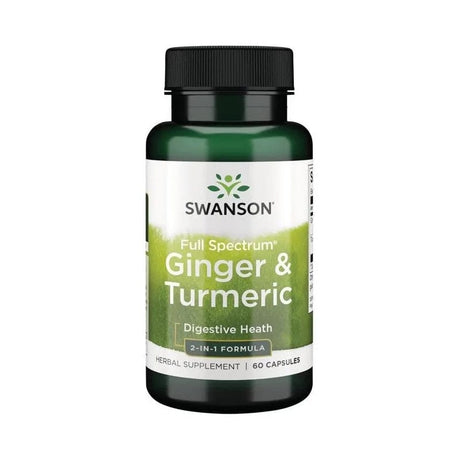


Doctor Life
Doctor Life Turmeric, Ginger and Boswellia - 60 Veg Capsules
Regular price $43.00Unit price$0.72 each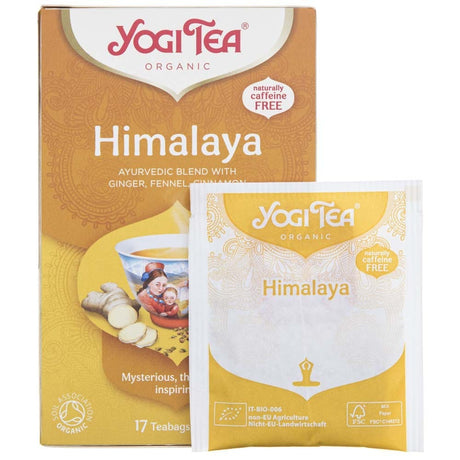


Browse our full herbal supplements collection for ginger and other traditional medicinal plants.
This article is for information only and does not replace medical advice. If you have health concerns, are pregnant, breastfeeding or taking medication, consult a doctor or pharmacist. Dietary supplements are not a substitute for a varied diet.


1 comment
Tere!
Mina tarvitan ingveri teena. 10 grammi ühetassi kohta pressitud ingveri koos pressijäägiga. Kas peaks tihedamini jooma päevas või aitab hommikusest teest. Ja kas on soovitav ka süüa ära see jääk tahkest ingverist. teest? Mul diabeedi algus 7-9 ühiku ringis ja olen ühe neeruga. Joon ka kurkumi teed koos pipraga.
Lugupidamisega
Rein Reinkort