

Protein supplements are the most widely used category of sports nutrition product globally, and among the most extensively studied. Their popularity is justified: the evidence base for protein supplementation in the context of resistance training, endurance sports, and muscle maintenance across the lifespan is robust and consistent. But the market is large and choices are numerous. This guide cuts through the marketing noise to explain the different types of protein supplements, what the science actually shows, and how to choose the right product for your goals.
Why Protein Matters for Active People
Protein is the primary structural material of skeletal muscle. During exercise — particularly resistance training — muscle fibres undergo micro-damage that triggers a repair and remodelling process. This process, called muscle protein synthesis (MPS), requires an adequate supply of amino acids, particularly the essential amino acids that the body cannot produce itself. When dietary protein intake consistently meets or exceeds training demands, MPS leads to net muscle protein accretion — i.e., muscle growth and strength gains over time.
The current scientific consensus, supported by the International Society of Sports Nutrition (ISSN), recommends protein intakes of 1.4–2.0 g per kg of body weight per day for athletes engaged in regular resistance or endurance training, with some evidence supporting up to 2.4 g/kg/day during periods of caloric restriction. For a 75 kg person, this means 105–180 g of protein daily — an amount that is genuinely difficult to achieve consistently through whole food alone, particularly when training multiple times per week.
Protein supplements are not a substitute for a well-structured diet, but they are a practical and effective tool for hitting protein targets efficiently. They are also useful for specific populations beyond competitive athletes: older adults managing age-related muscle loss (sarcopenia), people recovering from illness or surgery, and individuals with conditions that impair normal food intake.
Understanding the Different Protein Types
Whey Protein — The Evidence-Backed Standard
Whey is a by-product of cheese manufacturing and is the most researched protein supplement available. It is a complete protein (containing all 9 essential amino acids), rapidly digested and absorbed (peak amino acid availability within 60–90 minutes), and exceptionally rich in leucine — the branched-chain amino acid (BCAA) that acts as the primary trigger for MPS. These properties make it particularly effective when consumed around training.
Whey comes in three main processing grades:
- Whey protein concentrate (WPC) — typically 70–80% protein by weight; contains some lactose and fat. Most cost-effective form, good flavour, suitable for most people without lactose intolerance.
- Whey protein isolate (WPI) — 90%+ protein; most lactose and fat removed through additional filtration. Better for people with lactose sensitivity; fewer calories per gram; quicker to absorb.
- Whey protein hydrolysate — pre-digested (partially broken down) whey; fastest absorption of the three. Less common in pure form; sometimes included in blends.
Casein — The Slow-Release Protein
Casein is the dominant protein in cow's milk (approximately 80% of milk protein, versus 20% whey). Unlike whey, casein forms a gel in the stomach, slowing digestion and creating a sustained, gradual release of amino acids over 5–7 hours. This makes casein less effective than whey for the immediate post-workout window, but well-suited to pre-sleep consumption. Research has found that casein taken before bed effectively supports overnight muscle protein synthesis and reduces muscle protein breakdown — making it a practical addition for people focused on maximising lean mass. Casein is not appropriate for people with dairy allergies.
Plant-Based Protein — Vegan and Lactose-Free
Plant-based protein powders have improved substantially in quality and formulation over the past decade. The most common sources:
- Pea protein (from yellow split peas) — the most studied and best-performing plant protein; good amino acid profile, high leucine relative to other plant sources, well-tolerated, hypoallergenic
- Rice protein — complementary amino acid profile to pea protein; frequently combined with pea to create a more complete essential amino acid ratio
- Hemp protein — complete amino acid profile; also provides omega-3 fatty acids and fibre; lower in leucine than pea or rice
- Soy protein — the most complete plant protein source from an amino acid standpoint; fastest-absorbing plant protein; suitable for most people but avoided by some with soy sensitivity or hormone-sensitive conditions
- Multi-source blends — combining pea, rice, hemp, and other sources provides a more complete amino acid profile than single-source plant proteins and is the most common format in quality plant protein products
Head-to-head comparison studies between pea protein and whey have shown comparable muscle and strength gains in resistance-trained individuals over 8–12 week interventions. Plant proteins are fully effective when consumed in adequate quantities and, where possible, from multi-source blends.
Egg White Protein
Egg white protein powder (dried egg albumin) is among the oldest and most biologically complete protein supplements. It has a high biological value, contains all essential amino acids, is naturally lactose-free and dairy-free, and is particularly rich in leucine. Its absorption rate falls between whey (fast) and casein (slow), making it versatile in timing. For people who are dairy-intolerant but not avoiding animal products, egg white protein is an excellent alternative to whey.
Whey Protein Concentrate and Blends
Whey protein concentrate and blends — combining WPC with small amounts of casein or other proteins — are the most widely consumed format. Optimum Nutrition Gold Standard is among the most tested and consistently rated products in this category globally; Olimp's Whey Protein Complex and Trec's Whey 100 are well-established European options. You can browse the full selection in our whey protein concentrate collection.

Olimp
Olimp Whey Protein Complex 100%, Vanilla Flavour - 700 g
Regular price $43.00Unit price$61.43 /kg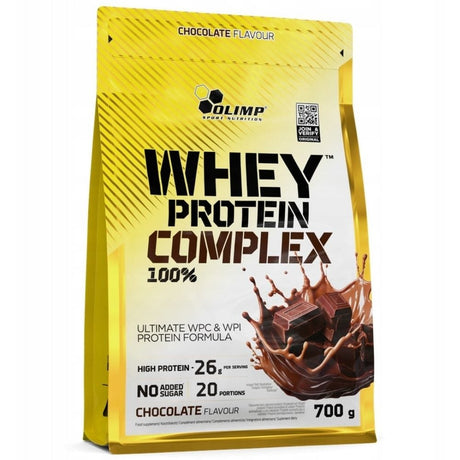
Olimp
Olimp Whey Protein Complex 100%, Chocolate Flavour - 700 g
Regular price $43.00Unit price$61.43 /kg

Whey Protein Isolate
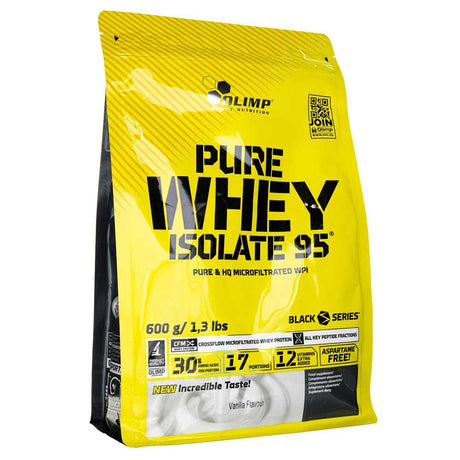
Isolate is the choice for people with lactose sensitivity, those seeking maximum protein purity per calorie, or those who want the fastest digestion profile. Explore our whey protein isolate collection:


Olimp
Olimp Pure Whey Isolate 95, Vanilla Flavour - 600 g
Regular price $71.00Unit price$118.33 /kg


Plant-Based Protein
For athletes following vegan or dairy-free diets, multi-source plant protein blends are the most practical approach. Myprotein's Vegan Protein Blend and Sunwarrior's Warrior Blend are well-formulated multi-source options. You can browse our vegetable protein collection:


Casein
For those prioritising overnight recovery, Optimum Nutrition's Gold Standard 100% Casein is one of the benchmark products in this category. Browse our casein collection:
How to Choose and Use Protein Supplements
When selecting a protein supplement, the key factors to consider are:
- Dietary compatibility — dairy-free, lactose-free, vegan, or no restrictions
- Protein content per serving — aim for at least 20–25 g of protein per serving (enough to maximally stimulate MPS);
- Leucine content and essential amino acid completeness — most quality products from the brands above meet this
- Minimal artificial sweetener overload — products with lower sweetener content are generally preferable for daily use
- Timing — whey or plant blend within 2–4 hours of training; casein in the 1–2 hours before sleep if focused on overnight recovery
There is no requirement to use protein supplements every single day if whole-food protein targets are being met. For most active people, using a shake as a convenient post-workout meal or an easy high-protein breakfast option 3–5 days per week is sufficient. For broader sports nutrition support, our sports nutrition collection includes complementary products including BCAA, creatine, and pre-workout options.
This article is for information only and does not replace medical advice. If you have health concerns, are pregnant, breastfeeding or taking medication, consult a doctor or pharmacist. Dietary supplements are not a substitute for a varied diet.


